DIY Demolition and Cleanup: What Homeowners Should Know
Not every demolition project requires a full crew and heavy machinery. Homeowners regularly take on smaller teardown and cleanup tasks — removing a backyard shed, pulling up old decking, stripping a room down to the studs for a renovation. But there’s a line between a productive weekend project and a situation that needs professional equipment, experience, and insurance.
Here’s how to figure out which side of that line your project falls on.
What You Can Realistically DIY
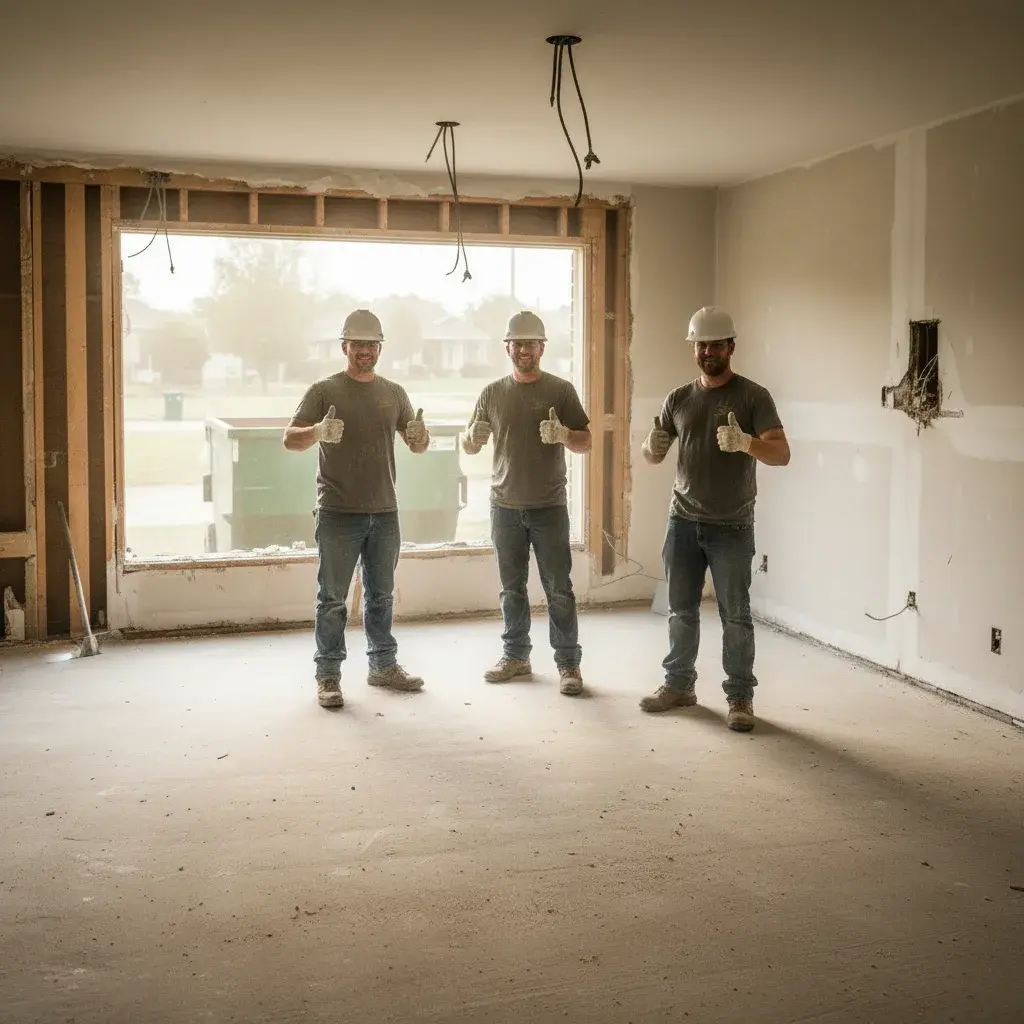
Most homeowners can safely handle interior selective demolition with the right tools and preparation. Removing non-load-bearing walls, pulling up carpet and tile flooring, stripping cabinets, and tearing out drywall are all common DIY tasks. Small outbuildings like garden sheds, dog houses, and wooden playsets are also within reach for someone comfortable with a reciprocating saw and a pry bar.
The key qualifier: if the structure you’re removing doesn’t bear weight, doesn’t connect to utilities, and doesn’t contain hazardous materials, you’re probably in safe DIY territory.
When to Call a Professional
Any project involving structural elements — load-bearing walls, roof systems, foundations, or multi-story structures — should be handled by a licensed demolition contractor. The risks are real: structural collapse, utility line strikes, and uncontrolled debris can cause serious injury or property damage.
Other situations that require professional involvement include properties with asbestos or lead paint, structures connected to active utility lines, concrete or foundation removal requiring hydraulic breakers, and any job that produces more debris than you can legally haul yourself. If you’re unsure, call for a free estimate — a good contractor will tell you honestly whether you need them or not.
Safety Essentials for DIY Demo
Even for small projects, proper safety equipment is non-negotiable. At minimum, you need a hard hat, safety glasses or goggles, heavy work gloves, steel-toed boots, and hearing protection if you’re using power tools. If you’re working in a dusty environment or disturbing old materials, add an N95 respirator to the list.
Before you swing the first hammer, know what’s behind the wall. Use a stud finder and check for electrical wiring, plumbing, and gas lines. Turn off power to the area at the breaker panel — don’t just flip the light switch.
Debris Disposal: Know Your Options
This is where many DIY demolition projects hit a wall — literally. You’ve torn everything out, and now you’re staring at a pile of debris that won’t fit in your trash bin. In New Hanover County, construction and demolition debris cannot be placed in regular residential waste collection.
Your options include renting a roll-off dumpster from a local waste hauler, making runs to the New Hanover County landfill on US-421 (which accepts C&D debris for a per-ton fee), or hiring a junk removal service for smaller loads. For larger DIY projects, a 10 or 15-yard dumpster rental is usually the most efficient route.
Knowing Your Limits Saves Money
Here’s the counterintuitive truth: knowing when to call a pro actually saves you money in the long run. A botched DIY structural removal can result in damage that costs far more to repair than the demolition itself. Insurance claims from DIY accidents are common and expensive. And improper disposal of hazardous materials can result in significant fines from state environmental agencies.
The smartest approach is to handle what you can safely and confidently do yourself, and bring in a professional for everything else. No ego, no guesswork — just a clean, safe result.
Barnes Demolition Is Here When You Need Us
Whether you need a full residential teardown or just want a professional opinion on your DIY project, Barnes Demolition is a phone call away. We provide free on-site estimates, honest advice, and competitive pricing for projects of any size across the Wilmington and Cape Fear region.
Give us a call at (910) 807-5640 — we’re happy to help you figure out the best path forward.